One of the most common questions parents ask is:
What is the best age for a child to start learning Mandarin?
Should children begin at three or four?
Is five or six a better age, when they can sit and focus more easily?
And if a child does not start until elementary school, is that already too late?
At first glance, this seems like a question about age.
But for children growing up in Canada or other English-dominant environments, the real issue is not simply when they start learning Mandarin.
It is also how they begin, what kind of language environment they already have, and whether the learning approach is appropriate for their stage of development.
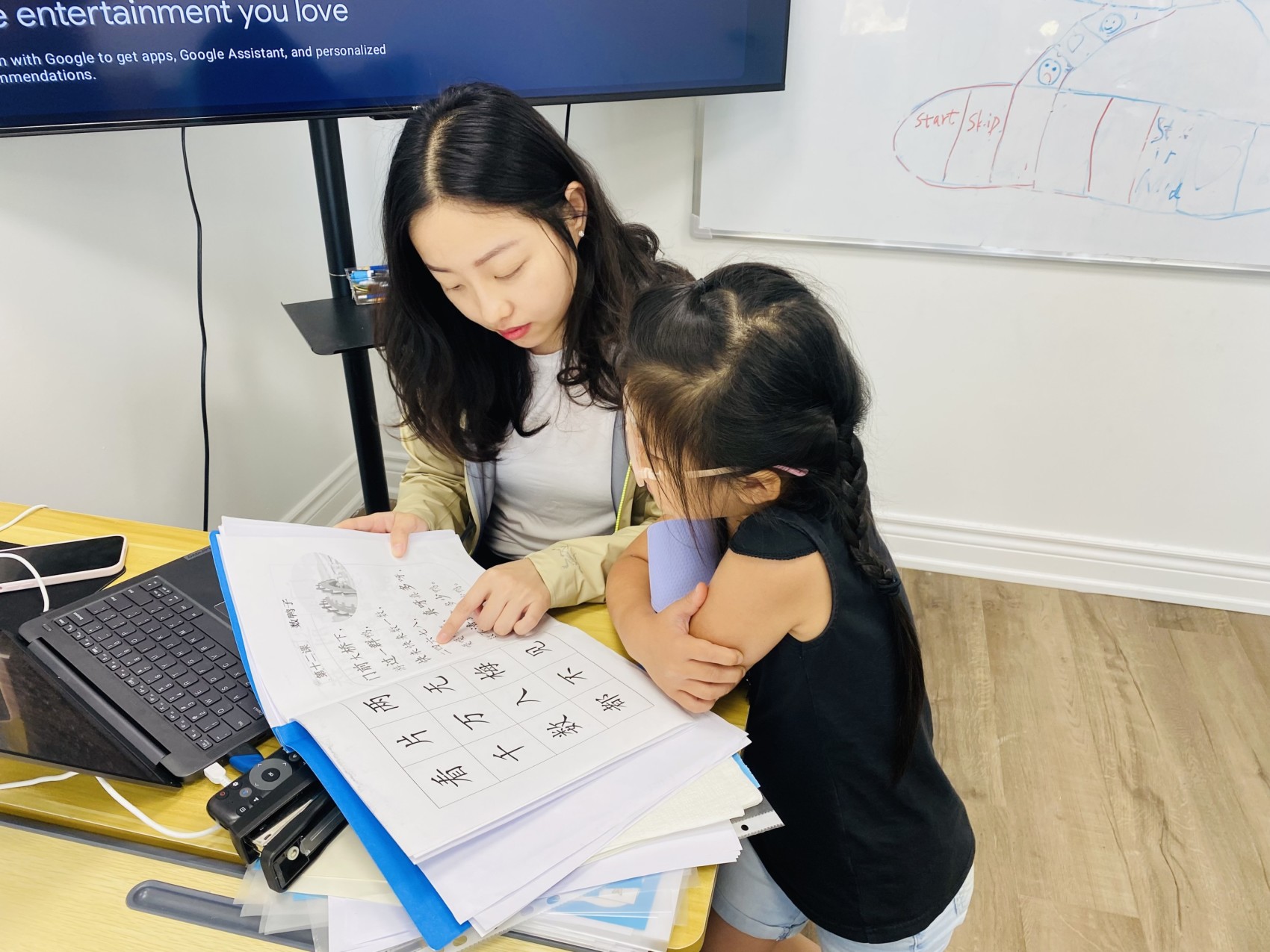
Earlier Is Not Always Better
Young children do have important advantages in language learning.
They are often more sensitive to sounds, pronunciation, rhythm, and natural language patterns. For children who already hear Mandarin regularly at home, early exposure can be especially valuable.
But “starting early” does not mean putting a three- or four-year-old at a desk and asking them to memorize texts, copy characters, and complete worksheets.
If early Mandarin learning becomes mostly repetitive writing, memorization, and correction, a child may develop resistance before developing genuine language ability.
At an early age, the first goal should not be:
How many characters can my child write this year?
A better question is:
Is my child becoming comfortable hearing, speaking, understanding, and engaging with Mandarin?
Effective early learning is not about moving elementary-school Chinese lessons into preschool.
It is about helping children enter the language in a way that matches their age and cognitive development.
Ages 4–6 Are an Important Window for Mandarin Foundations
For many children growing up overseas, ages four to six can be an especially valuable stage for beginning more structured Mandarin learning.
At this age, children are developing stronger attention, language comprehension, and classroom participation skills while still retaining much of the natural language sensitivity of early childhood.
With the right approach, these years can help children:
develop familiarity with Mandarin sounds and expression;
build foundational vocabulary;
begin recognizing Chinese characters;
understand that Chinese characters carry meaning and can be read;
and develop interest in Chinese stories, songs, reading, and communication.
This is one reason YouGuang Mandarin School begins its structured foundational programs at around age four.
But we do not believe four-year-olds should simply be trained like younger elementary students.
At YouGuang Chinese School, early learning is designed to combine character recognition with meaningful language input, stories, songs, movement, games, and expression.
The most important outcome of early learning is not the number of workbook pages completed.
It is whether the child has built a foundation strong enough to continue learning.
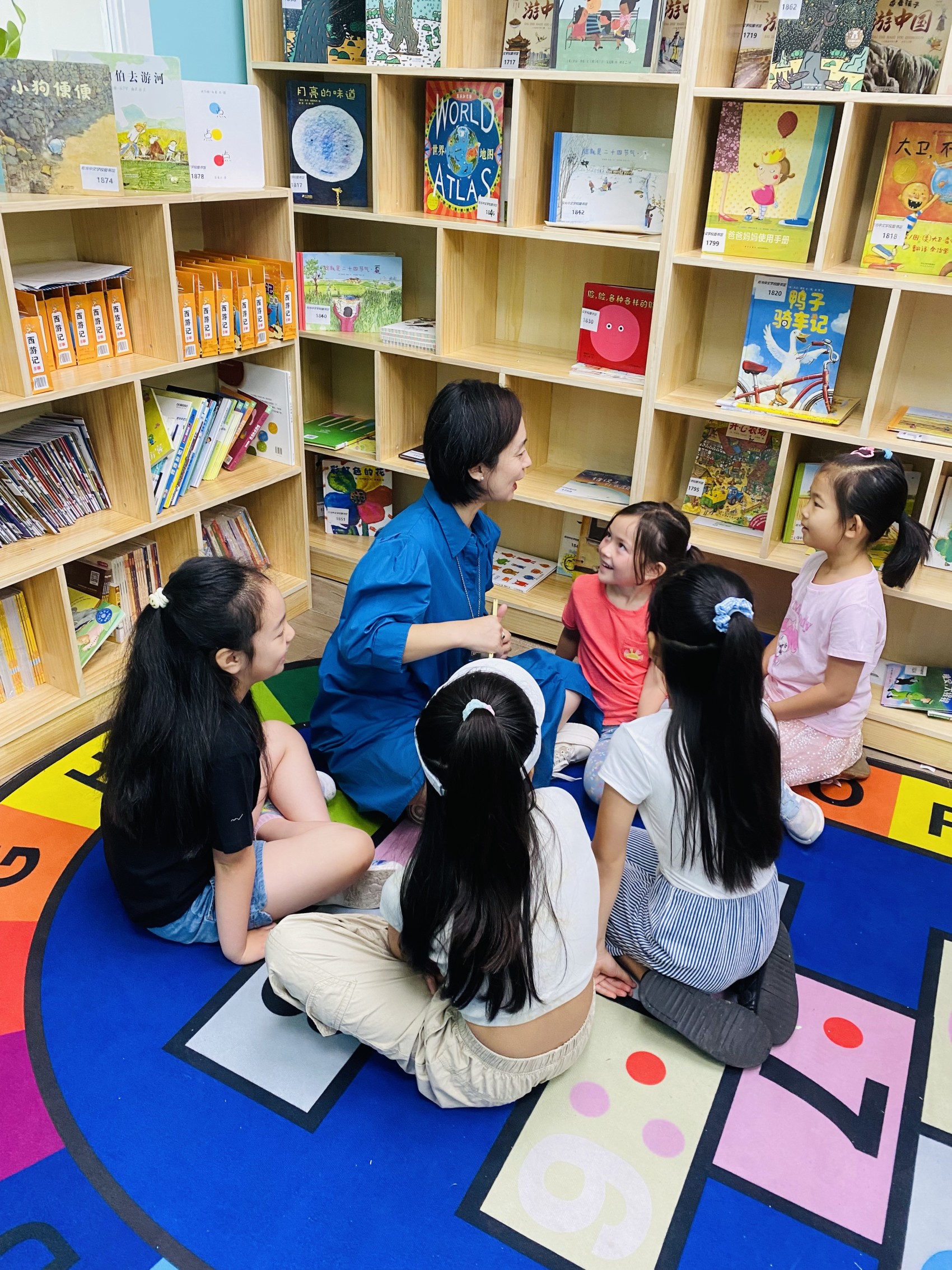
Mandarin-Speaking Homes and Non-Mandarin Homes Start from Different Places
There is another important question that is often overlooked when parents ask about the “best age” to start:
What language does the child hear at home?
A child who has heard Mandarin since birth may already have several years of listening and speaking experience before ever entering a formal Mandarin classroom.
When that child begins recognizing characters, many of the words already exist in their mind.
For example, the child may already understand the word apple in Mandarin, but simply not recognize the written characters for it.
In this situation, literacy is largely about connecting familiar spoken language with written language.
For a child who does not hear Mandarin at home, the learning process is very different.
That child may need to learn the sound of a new word, understand its meaning, and only later connect it with Chinese characters.
For this reason:
Children from Mandarin-speaking homes and children from non-Mandarin-speaking homes should not always follow exactly the same learning path.
This has become an increasingly important part of Youguang’s curriculum design.
We adjust language input, classroom pacing, character-learning expectations, and communication activities according to children’s existing language backgrounds.
So before asking only:
“How old is my child?”
Parents may also want to ask:
“How much Mandarin does my child already have?”
In many cases, that is just as important as age.
Starting at Ages 6–8 Is Not Too Late
Parents sometimes become anxious when they see other children beginning Mandarin at age four.
They may wonder:
“My child is already seven. Have we missed the best time?”
Usually, the answer is no.
Children who begin at six, seven, or eight often bring new strengths to the learning process.
They can usually concentrate for longer periods.
Their logical understanding is stronger.
They already understand the basic idea of reading.
They are often able to understand clearer explanations about language patterns and structure.
For children who already have some Mandarin listening and speaking ability, beginning systematic character recognition and reading at this age can be highly effective.
The real danger is not “starting too late.”
It is feeling so worried about being late that the child is pushed to catch up too quickly.
Large amounts of character memorization, repetitive writing, and intensive extra work may look like progress in the short term, but they can also quickly reduce motivation.
Mandarin learning is not a sprint.
For children growing up overseas, it is much closer to a long-distance journey.
Starting one year later matters far less than whether the child is able to keep going year after year.
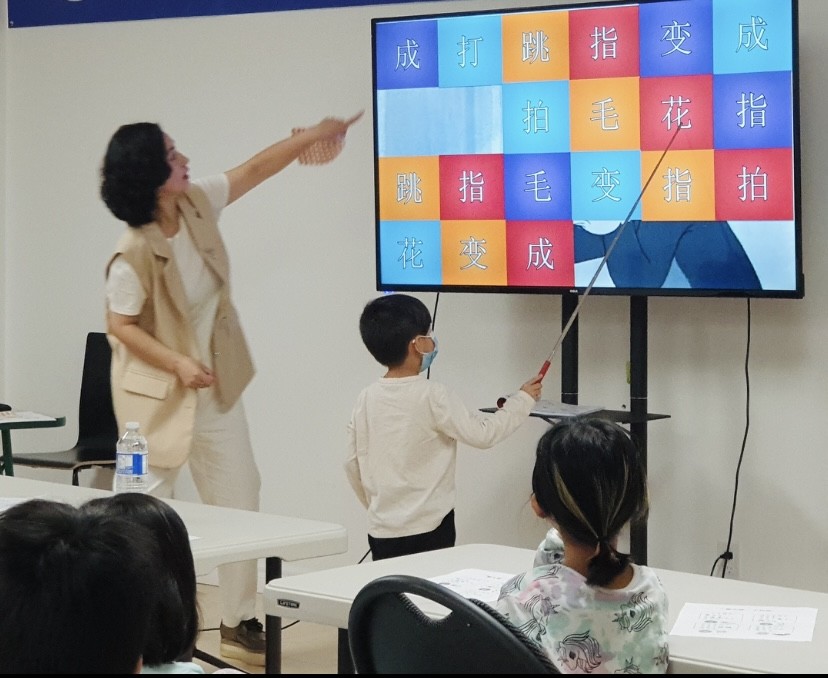
What If a Child Is Already 9 or 10?
It is absolutely still worth starting.
Older beginners simply need a different approach from younger children.
Their cognitive ability is more advanced, so they do not need to depend as heavily on games, repetition, and very simple activities.
They can often learn more efficiently through clearer language patterns, systematic character learning, and age-appropriate reading materials.
The challenge is usually not whether they are capable of learning Mandarin.
The challenge is making sure the learning materials do not feel too young.
A ten-year-old Mandarin beginner may still be a beginner linguistically, but that does not mean they are a four-year-old cognitively.
If older beginners are constantly given preschool-level stories or overly childish songs, they may quickly lose interest.
So older beginner programs need to solve two problems at the same time:
The language level must remain accessible, while the content must respect the child’s real age.
This is one of the most important principles in designing Mandarin programs for children growing up overseas.
Four Things Parents Should Look At Besides Age
Instead of focusing only on a child’s age, parents can look at four broader factors.
First, can the child participate in a class and maintain attention for a reasonable period of time?
Second, what is the child’s current Mandarin listening and speaking background?
Third, is the curriculum appropriate for the child’s age and cognitive level?
And fourth, perhaps most importantly:
Can this learning approach realistically help the child continue for several years?
The greatest challenge in overseas Mandarin education is rarely getting a child to study for three months.
The real challenge is helping the child continue learning year after year while English remains the dominant language in everyday life.
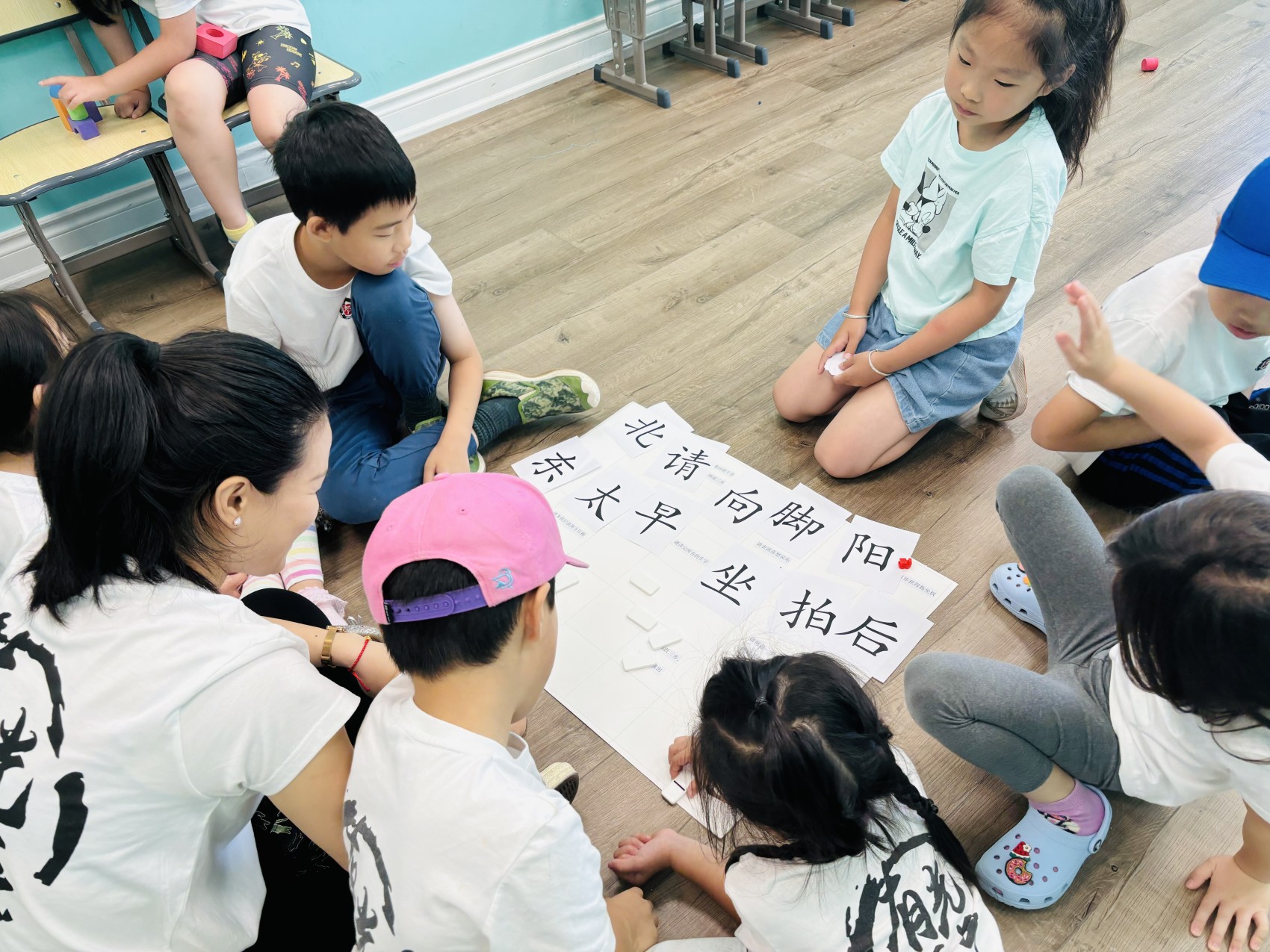
Why YouGuang Does Not Treat “Starting Early” as the Only Advantage
At YouGuang Chinese School, we believe education should not focus on producing short-term advantages.
It should build abilities that continue to grow.
We value early language exposure, and we encourage families to create a Mandarin environment as early as possible when they can.
But we do not simply tell parents:
“The earlier, the better.”
If a child begins at four but strongly dislikes Mandarin by six, the early start has not created meaningful long-term value.
A child who begins at six and gradually develops character recognition, reading, expression, and confidence may ultimately have a much more successful learning journey.
This is why YouGuang emphasizes:
Learning Mandarin with both joy and efficiency.
Joy does not mean lowering expectations.
High-quality education should maintain strong learning outcomes while helping children remain willing to continue.
And efficiency does not mean forcing more content into a shorter period of time.
True efficiency means using limited weekly Mandarin learning time in a way that develops language ability children can actually retain and use.
Character Recognition Is the Beginning, Not the Goal
For many children who begin structured Mandarin learning between ages four and six, character recognition is one of the first visible stages of progress.
It matters.
Without recognizing enough Chinese characters, children cannot easily move into independent reading.
But at Youguang, we have always believed:
Character recognition is the beginning, not the destination.
The longer learning path is:
Characters → Vocabulary → Reading → Comprehension → Expression
A child who truly possesses Mandarin should not simply be able to recognize many characters.
Over time, the child should be able to understand stories, read texts, describe experiences, express ideas, and use Mandarin to enter a broader cultural world.
So the age at which a child begins matters.
But where that learning journey eventually leads matters even more.
So What Is the Best Age to Start?
If parents want a direct answer, then for many children growing up overseas, ages 4–6 are an excellent period for beginning structured Mandarin learning.
Children at this stage still benefit from natural language sensitivity while becoming increasingly ready for systematic character recognition and classroom learning.
But that does not mean starting after age six is too late.
Children can begin at seven, eight, nine, or even later and still make strong progress.
What matters most is whether the program is designed around the child’s current language background, age, cognitive development, and learning needs.
So instead of asking:
“Has my child already missed the best age?”
A more useful question is:
“Starting from where my child is today, what is the right Mandarin learning path?”
That is one of the questions Youguang Mandarin School continues to think deeply about.
Our goal is not simply to help children start Mandarin as early as possible.
It is to help each child enter the language at the right stage, then move step by step from listening and speaking to character recognition, from character recognition to reading, and from reading to expression.
Ultimately, we hope children will not simply be able to say that they once studied Mandarin.
We hope Mandarin becomes a language they truly understand, use, and carry with them as part of their lives.
Author: Guang Yang, Founder & Chief Educator of Youguang Mandarin School.