Designed for children who do not speak Mandarin at home, this program helps students move from “I don’t understand” and “I can’t speak” to confidently understanding, speaking, reading, and using Mandarin in real-life situations.
YouGuang’s Mandarin program for non-Mandarin-speaking families is specially designed for children whose primary home language is not Mandarin. This includes children from English-speaking homes, Cantonese-speaking homes, and families from other language backgrounds.
For these students, learning Mandarin is very different from learning Chinese in a Mandarin-speaking household. Children who regularly hear Mandarin at home often enter the classroom with a natural foundation in listening and speaking. Children from non-Mandarin-speaking homes, however, may need to build these abilities from the very beginning.
That is why we do not simply take a regular Chinese-language class and make it easier. Instead, we follow a learning pathway specifically designed for children who have limited or no Mandarin exposure outside the classroom.
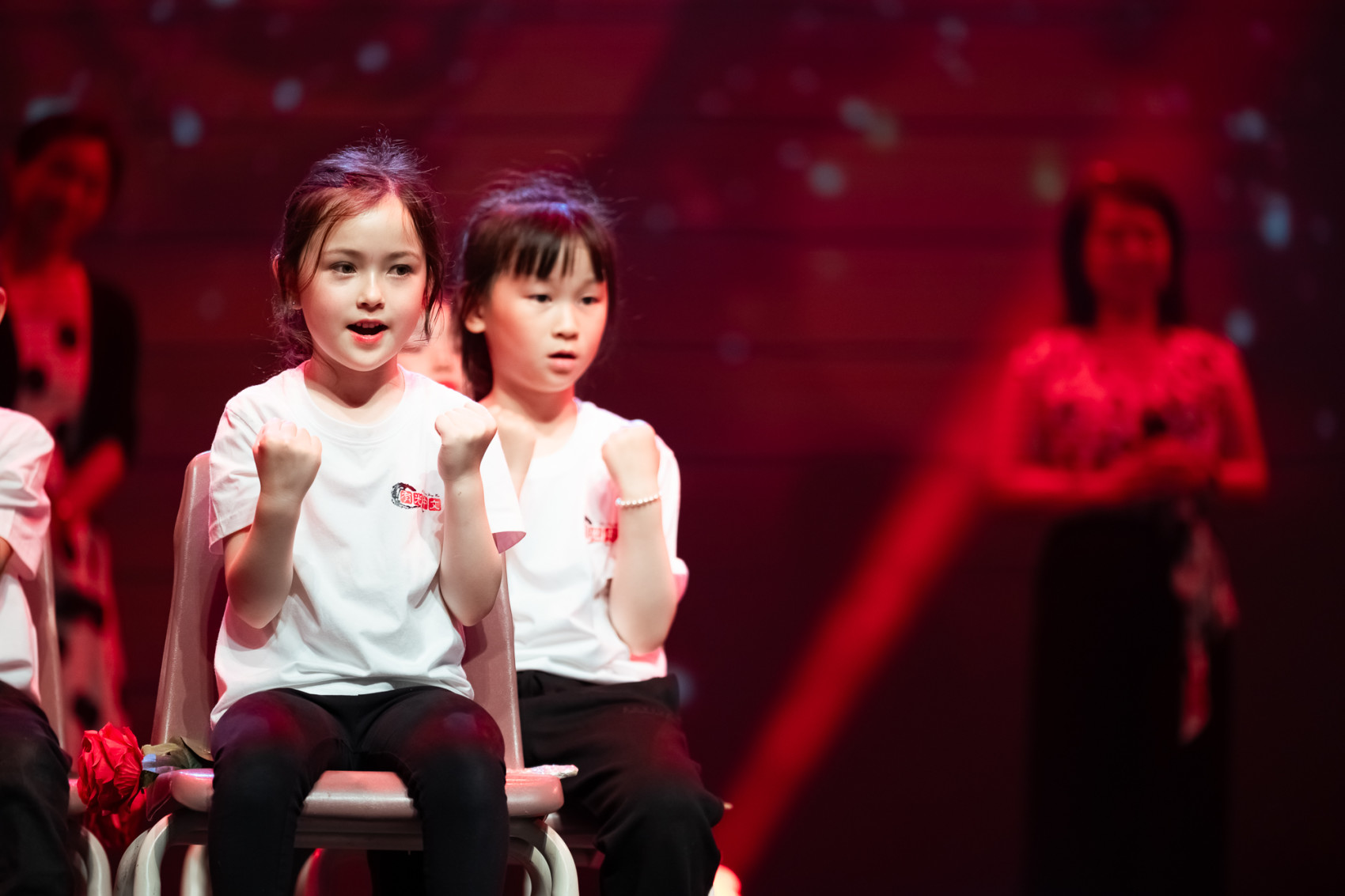
Starting with Listening and Speaking
For a child who is new to Mandarin, the first goal is not to memorize a large number of Chinese characters. The first goal is to make Mandarin a language they can gradually understand and feel comfortable using.
Classes use songs, movement, games, stories, picture books, situational conversations, role-play, and drama activities to create a rich and engaging language environment.
Teachers use gestures, visuals, facial expressions, repetition, and context to help children understand meaning without relying too heavily on English translation.
Over time, students progress from understanding simple classroom instructions and familiar words to following complete sentences, answering questions, and expressing their own ideas in Mandarin.
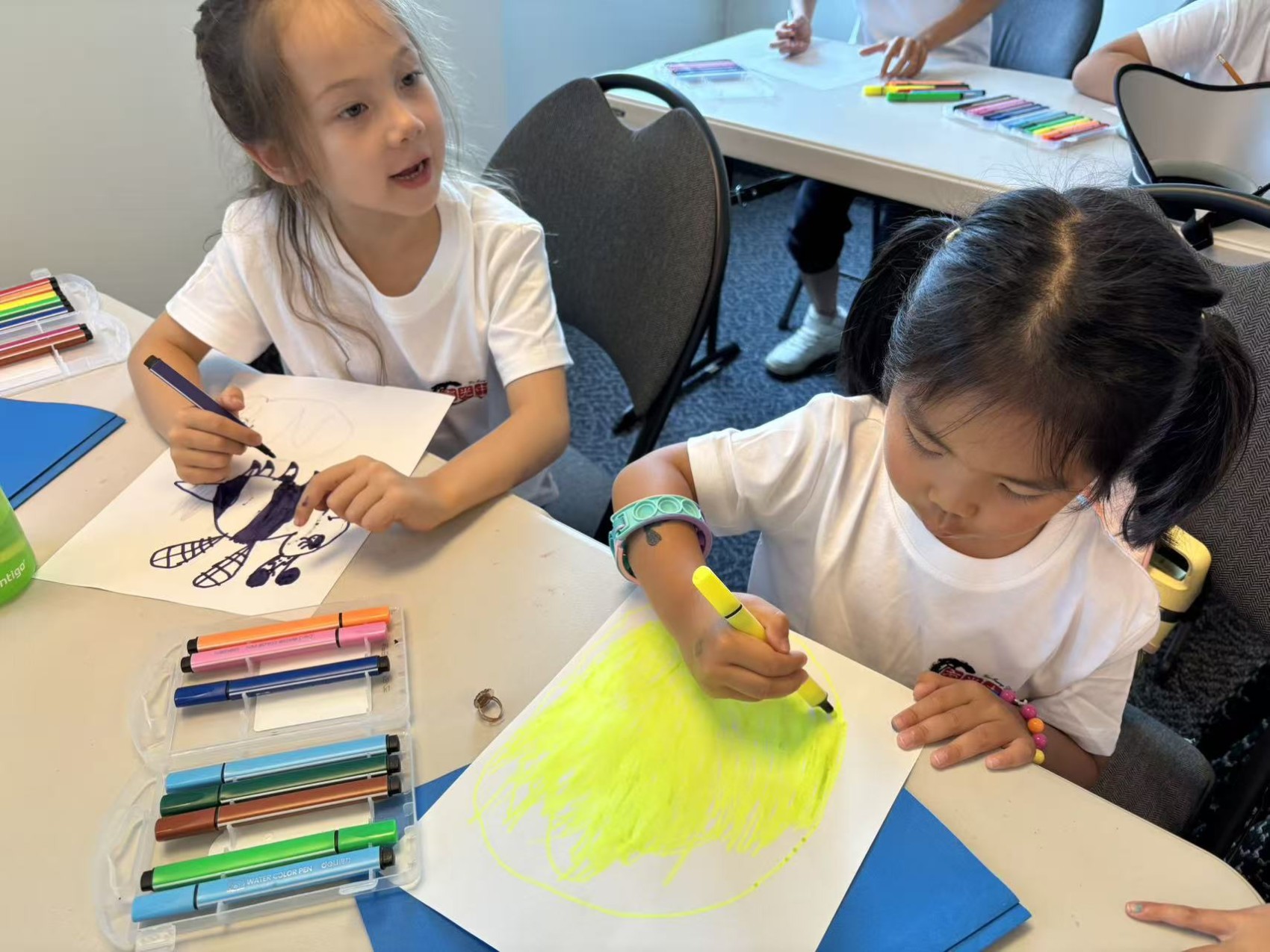
Listening and Speaking First, Then Reading and Character Recognition
Our approach emphasizes understanding first, communication first, and interest first.
Once children have developed a basic sense of the language, Chinese character recognition and reading are gradually introduced in a natural and age-appropriate way.
Rather than memorizing isolated vocabulary, students hear and use important words repeatedly in different situations. This helps them develop genuine language comprehension instead of short-term memorization.
As their skills grow, students gradually progress through the following stages:
Understanding simple Mandarin → Answering simple questions → Speaking in complete sentences → Having everyday conversations → Recognizing Chinese characters → Reading simple Chinese texts → Expressing ideas with greater confidence and detail
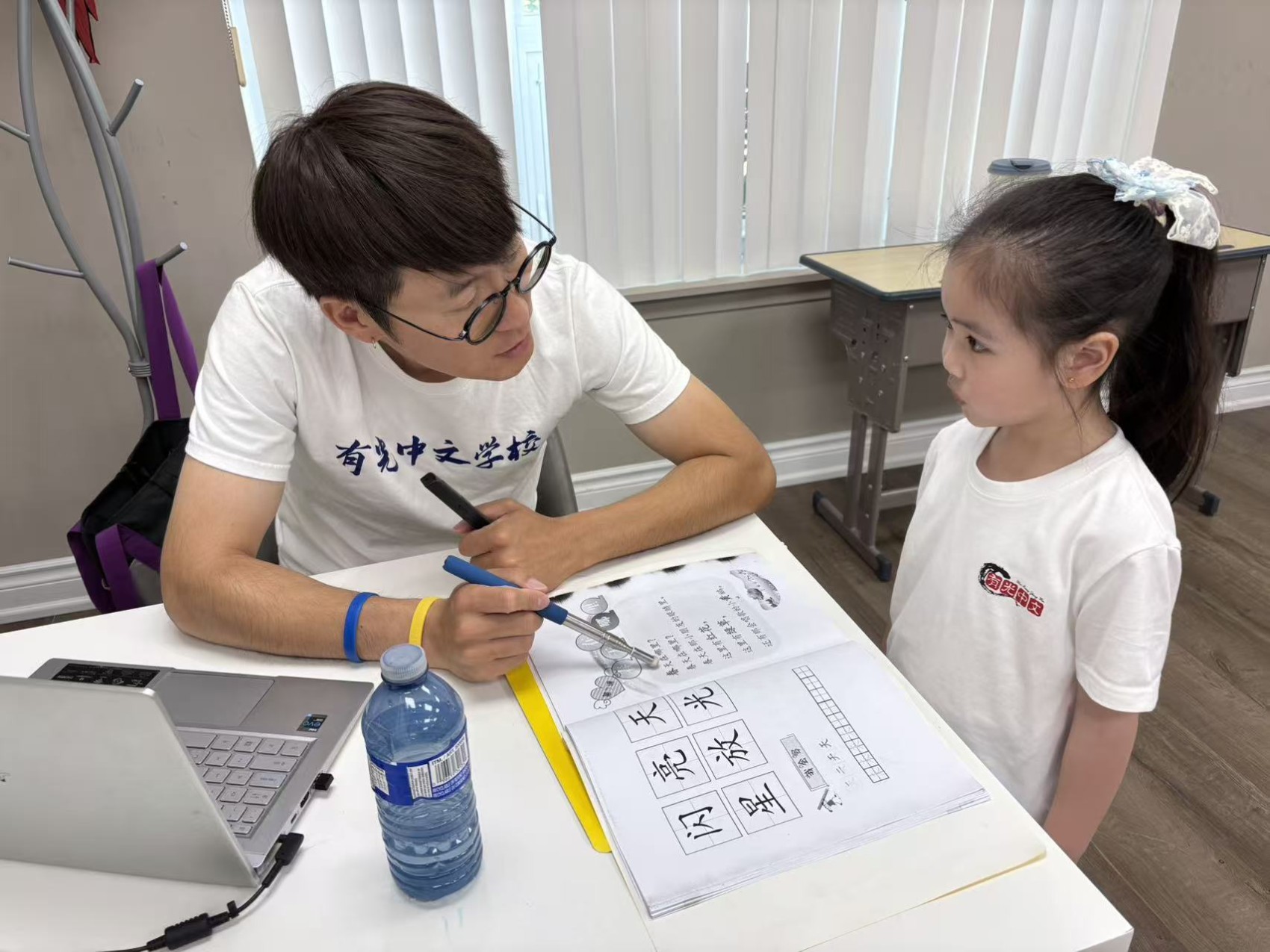
Learning to Actually Use Mandarin
At YouGuang, we place strong emphasis on communication and expression.
Students are not expected to spend the entire class simply repeating after the teacher or giving predetermined answers. Instead, they are encouraged to actively use Mandarin.
Depending on their age and level, children may introduce themselves, describe pictures, participate in language games, sing Chinese songs, tell simple stories, take part in role-play, and perform short dramatic scenes.
We want children to discover that Mandarin is not simply a school subject. It is a language they can use to communicate, sing, tell stories, perform, read, and express themselves.
Once children become willing to speak, their Mandarin learning begins to develop much more naturally.
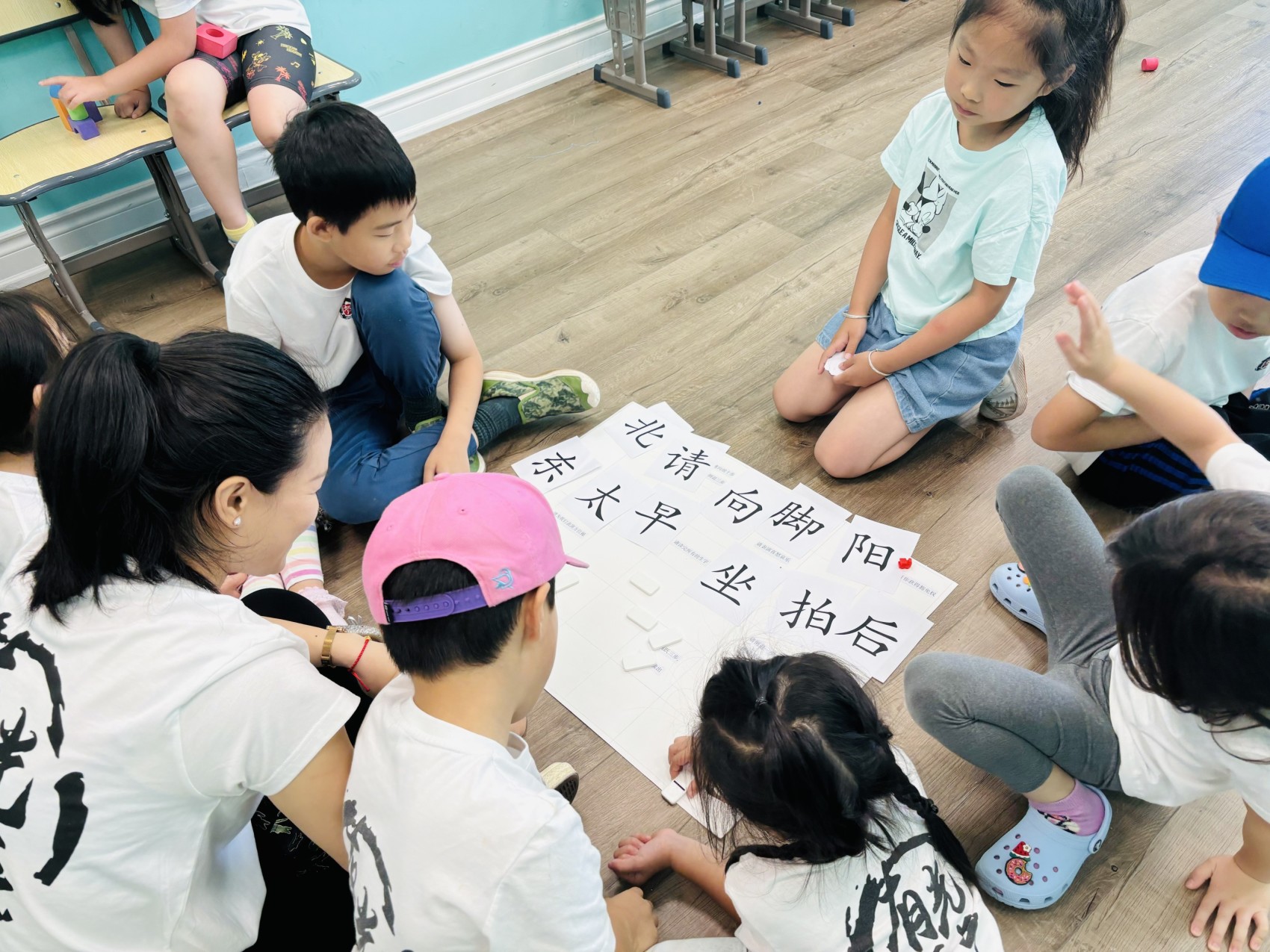
A Consistent, Full-Year Learning Schedule
For children who do not have a Mandarin-speaking environment at home, consistent and sustained exposure is especially important.
The program runs through the full academic year, from September to June.
The schedule includes:
* One class per week
* Two hours per class
* 34 classes per academic year
* 68 hours of Mandarin instruction each year
The two-hour class allows enough time for more than vocabulary and language instruction. Each lesson can include listening and speaking practice, interactive activities, games, reading, storytelling, and communication exercises.
A consistent 34-week learning cycle also helps students build long-term language habits rather than relying on short-term intensive study.
Small Classes, More Opportunities to Speak
One of the most important conditions for language learning is having enough opportunities to actually speak.
That is why YouGuang maintains small class sizes.
Teachers are able to pay closer attention to each child’s understanding, pronunciation, confidence, participation, and individual progress. Questions and activities can also be adjusted to match each student’s current ability.
For beginners in particular, a supportive classroom environment is essential.
Children should feel comfortable trying, making mistakes, and trying again. Confidence develops through repeated participation, not through fear of getting every word correct.
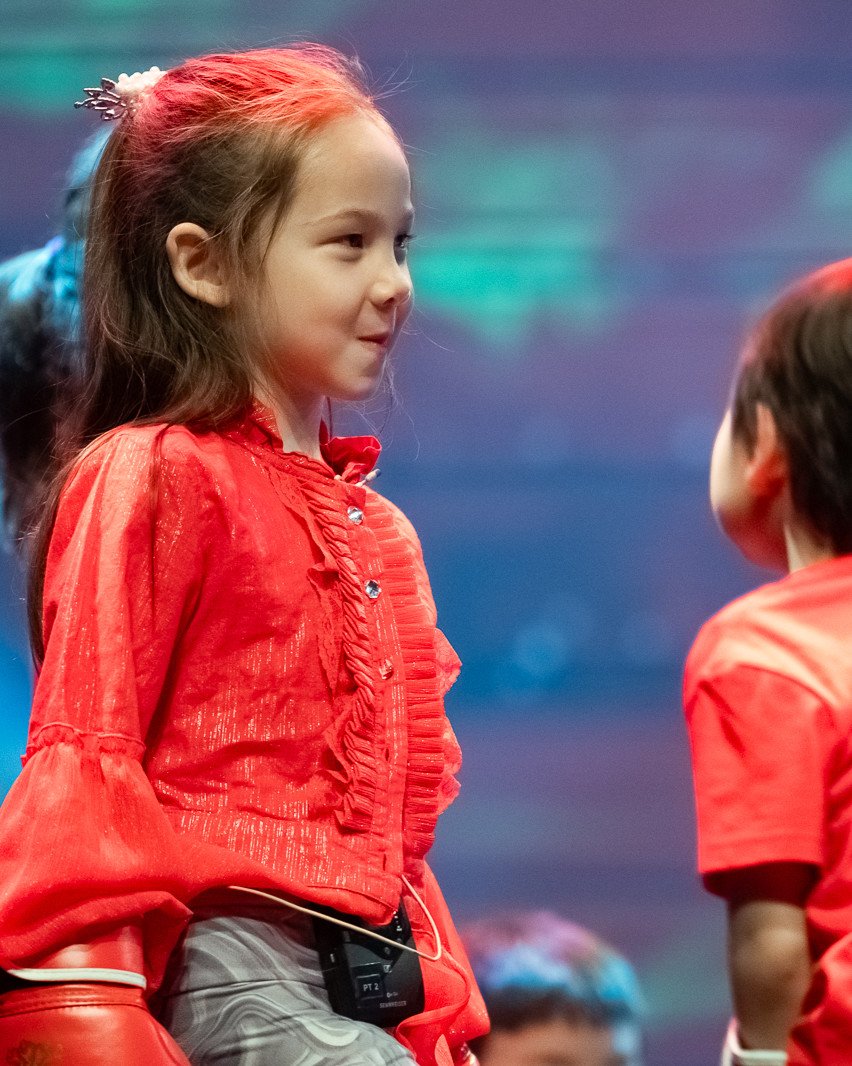
A Program for Different Language Backgrounds
This program is suitable for:
* Children from primarily English-speaking homes
* Children from Cantonese-speaking or other Chinese-dialect-speaking families with limited Mandarin exposure
* Children from non-Chinese-speaking families who want to learn Mandarin
* Complete beginners
* Children who understand some Mandarin but lack systematic learning or speaking ability
A child’s ethnic background is not the most important factor.
What matters more is how much Mandarin the child currently understands and speaks, and whether Mandarin is regularly used at home.
We place students according to their age and actual Mandarin level so that each child can begin at an appropriate starting point.
What Do We Hope Children Will Achieve?
Our goal is not simply for children to memorize as many words or characters as possible in a short period of time.
We want them to build a Mandarin foundation that can continue to grow over many years:
to understand, to speak willingly, to read, and to express themselves with confidence.
For a child growing up in a home where Mandarin is not spoken, the journey may begin with understanding a teacher’s first simple question.
Then comes the first complete sentence.
Later, that child may begin to read, tell stories, participate in conversations, and even stand on stage and perform in Mandarin.
That gradual transformation is the learning journey this program is designed to support.
Risk-Free Enrollment
Cancel anytime and receive a refund for unused tuition, with no cancellation or processing fees.
View the Full Refund Policy >>