More families in Oakville are choosing to introduce Chinese to their children at an early age.
For some families, Chinese is a heritage language and a way for children to communicate with grandparents and extended family. For others, Chinese is an additional language they would like their children to develop from childhood.
But once parents begin looking for a Chinese school in Oakville, the choices can be difficult to compare.
Should you choose the closest school?
The smallest class?
The most affordable program?
The school with the most activities?
The most demanding curriculum?
How many Chinese characters should a child learn each year?
These are useful questions, but they do not tell the whole story.
For children growing up in Canada, learning Chinese is usually a long-term journey. Choosing a Chinese school is therefore not simply about where your child will spend two hours this semester.
A better question is:
Can this program help my child build Chinese proficiency year after year?
Here are some of the factors we believe parents should consider.
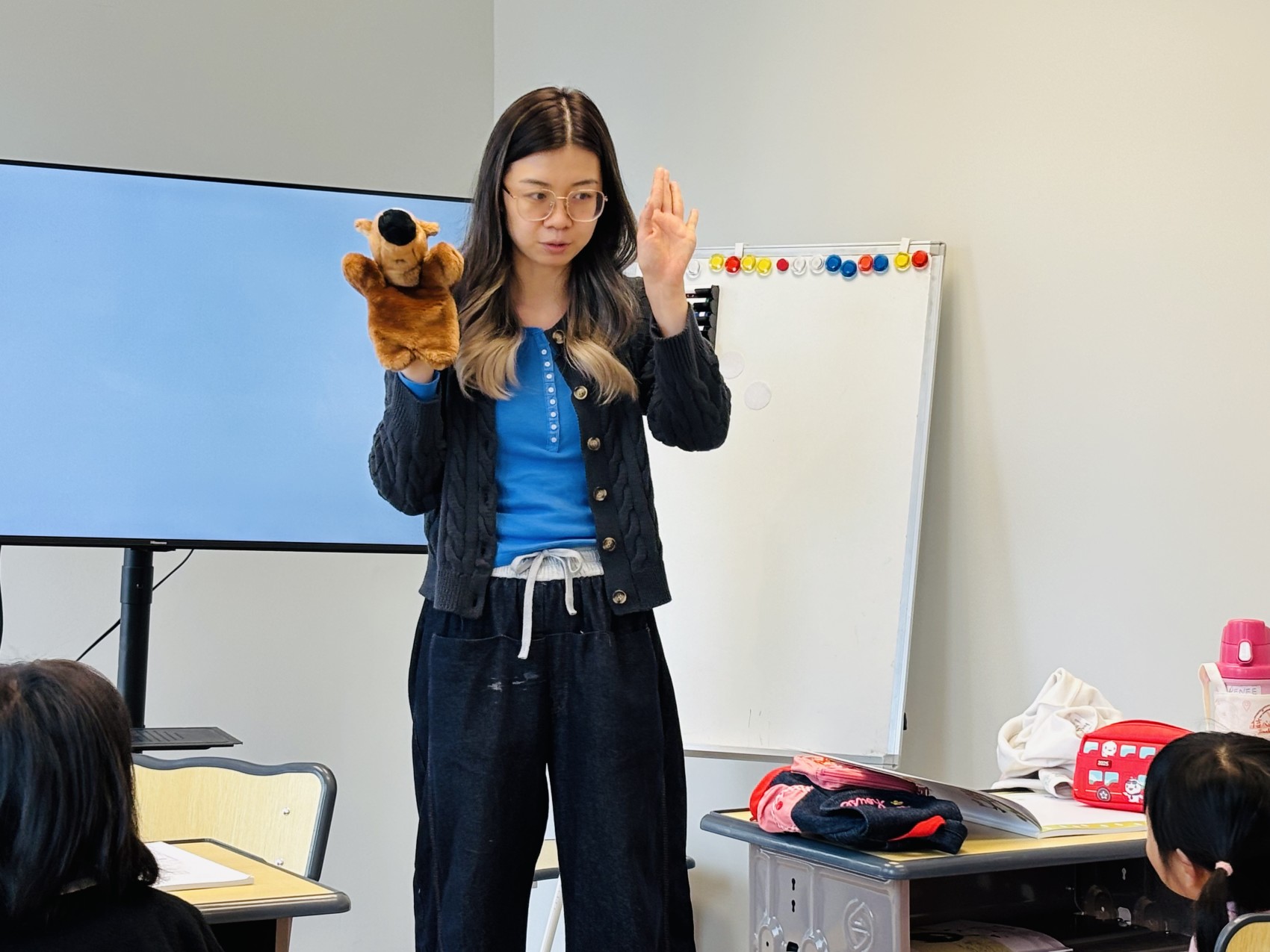
Look Beyond the Textbook: Is There a Long-Term Curriculum?
Parents often begin by asking:
“What textbook do you use?”
A more important question is:
“What happens after my child finishes this textbook?”
A strong Chinese program should have a clear progression.
Parents can ask:
What comes after the beginner stage?
What should students be able to do at each level?
How does character recognition lead to reading?
When does independent reading begin?
How does reading develop into writing and expression?
Are the levels connected, or does each year feel like a separate course?
At YouGuang, students can progress from Early Years Chinese for ages 4–6 through a complete Level 1–8 curriculum.
Beginning at Level 1, students typically learn approximately 300 Chinese characters per academic year while progressively developing vocabulary, reading comprehension, writing, and verbal expression.
The progression we aim to build is:
Character Recognition → Vocabulary → Reading → Understanding → Thinking → Expression
The goal is not simply to finish a textbook. It is to build a language.
Click to learn more about YouGuang’s Chinese Curriculum System.
2. For Ages 4–6, Ask Whether the Program Is Truly Designed for Young Children
A four-year-old should not simply be treated as a smaller eight-year-old.
Young children learn differently.
They need changes of pace, movement, stories, games, interaction, repetition, and positive emotional experiences.
When observing an Early Years Chinese class, parents can ask:
Are children expected to sit for long periods?
Does the lesson include movement and changes of activity?
Is the teacher doing most of the talking?
Do children actively participate?
Are stories, picture books, songs, games, and expression incorporated into learning?
What happens when a child loses focus?
How does the teacher respond when a child makes a mistake?
A good Early Years program should not force parents to choose between fun and real learning.
Children should enjoy the experience while also building genuine Chinese skills.
At this age, we believe three foundations matter enormously:
Enjoy Chinese. Learn Chinese successfully. Want to keep learning Chinese.
A child's first structured experience with Chinese can influence how they feel about the language for years.
Click to learn more about YouGuang’s Early Years Chinese Program
3. Ask for the Maximum Class Size, Not Just the Current Class Size
Many schools describe their classes as “small.”
Parents should ask a more specific question:
What is the maximum number of students allowed in one class?
A class may have five students today but eventually grow to twelve or fifteen.
Language learning requires interaction, speaking, feedback, and practice.
As class size grows, the first things to become limited are often individual reading time, speaking opportunities, teacher feedback, and attention for quieter students.
At YouGuang’s Oakville Campus, classes are limited to a maximum of 8 students.
For us, the purpose of a small class is not exclusivity.
It is to make it possible for the teacher to know each child:
Who reads confidently but hesitates to speak?
Who speaks fluently but needs stronger character recognition?
Who needs more repetition?
Who has become unusually quiet?
Who is ready for a greater challenge?
The real value of a small class is that every child can be seen.
4. Don't Ask Only “How Many Characters?” Ask “Can My Child Read?”
Character recognition is essential in Chinese.
But it is not the destination.
Some children study Chinese for years and recognize many individual characters, yet still struggle to read a book independently.
Parents should therefore ask:
When does reading begin?
Are reading materials matched to students’ character knowledge?
Do previously learned characters reappear frequently?
Do students progress from individual characters to sentences, paragraphs, and complete stories?
At YouGuang, we emphasize a progression of:
Systematic Character Learning → Repeated Exposure → Levelled Reading → Independent Reading
Learning 300 characters has limited value if those characters remain isolated flashcards.
Their real value begins when a child can use them to read.
5. Is the Curriculum Designed for Children Growing Up in Canada?
Children learning Chinese overseas face a particular challenge:
Their exposure to Chinese is limited.
One child may speak Mandarin every day at home.
Another may understand Chinese but answer only in English.
Another may come from a Cantonese-speaking household.
Another may have no Chinese-speaking environment at all.
A curriculum designed for children growing up overseas therefore needs to consider more than age.
It should account for character progression, repetition, reading development, spoken language, home language environment, and realistic opportunities for review.
YouGuang uses an independently developed Chinese curriculum designed specifically around the learning environment of children growing up overseas.
The purpose is not to make children adapt to a textbook.
The curriculum should adapt to how children actually learn.
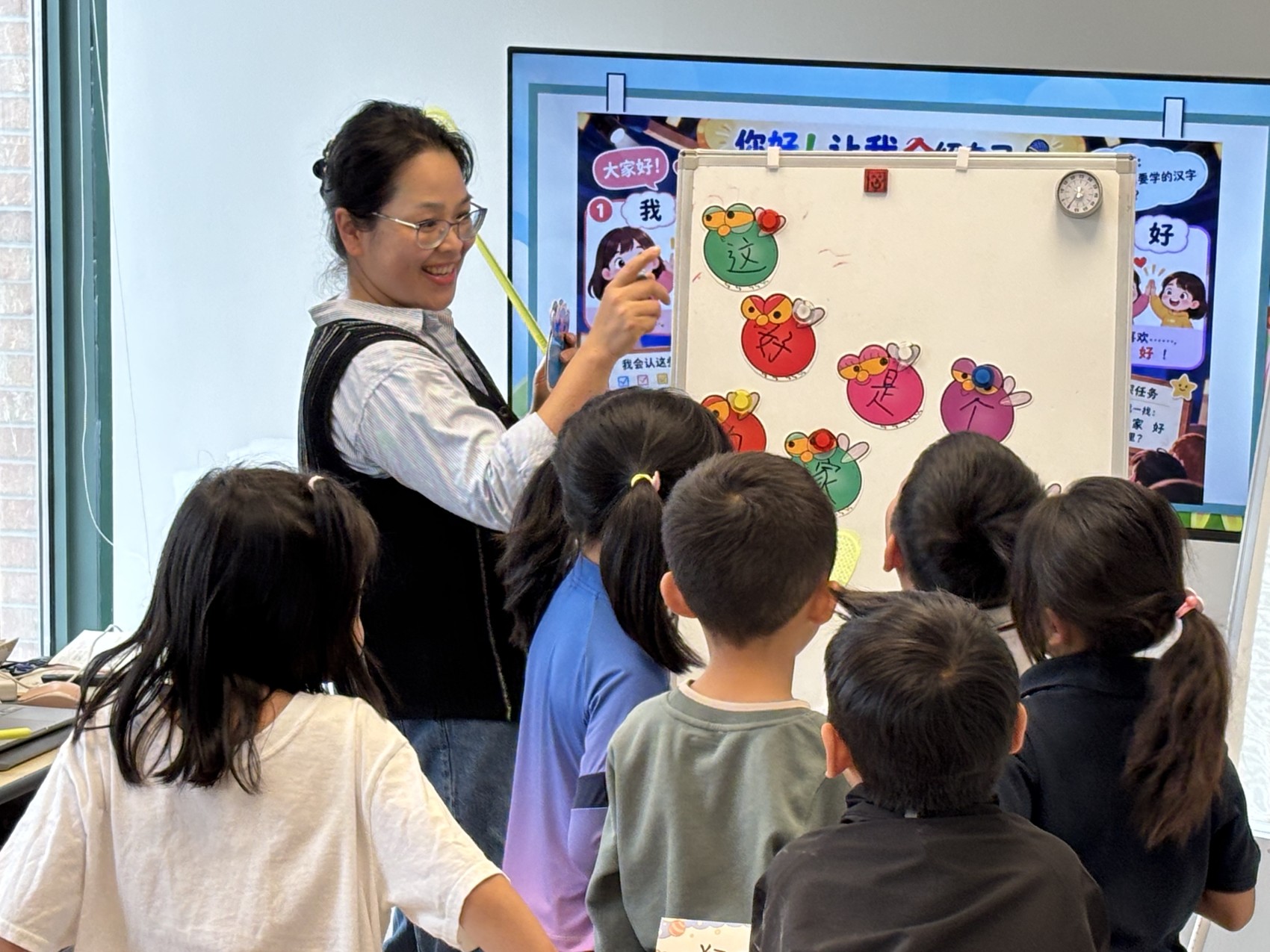
6. Evaluate the Teacher Beyond Qualifications
Qualifications and teaching experience matter.
But children's education also happens in small moments that rarely appear in a teacher biography.
Does the teacher know your child's name?
Does a quiet child still receive opportunities to participate?
What happens when a child gives the wrong answer?
Does the teacher focus primarily on the strongest students?
When a young child loses focus, does the teacher simply correct the child—or adjust the activity?
At YouGuang, we encourage teachers to ask themselves a simple question:
“If this were my child, what would I do?”
That does not mean lowering expectations.
If this were our own child, we would still want them to learn responsibility, boundaries, persistence, and respect.
But we would also want them to be treated with patience and dignity.
A good teacher does more than deliver a lesson.
A good teacher sees the child.
7. Enjoyment Matters—but It Should Not Be the Only Measure
It is a very good sign when a child says:
“I love my Chinese class.”
Especially for young children, long-term learning is difficult if every week becomes a struggle.
But parents should also look beyond whether today's class was fun.
After three months, is your child recognizing more characters?
After six months, are longer sentences becoming easier to read?
After a year, is your child more willing to communicate in Chinese?
Are they moving from one-word answers toward complete sentences and ideas?
A strong program should accomplish both:
Children want to come.
Children genuinely make progress.
Engagement and academic progress should reinforce each other.
8. How Does the School Handle Different Chinese Levels?
One unusual challenge in Chinese schools is that:
The same age does not mean the same Chinese level.
Two six-year-olds may have completely different language backgrounds.
One may have spoken Mandarin at home since birth.
The other may come from an English-speaking household and be encountering Mandarin for the first time.
Placing them together simply because they are the same age may not serve either child well.
Parents should ask:
Are students placed strictly by age?
Is there an assessment for students with previous Chinese experience?
Can placement change if a child progresses faster or needs additional support?
At YouGuang, placement considers age, Chinese proficiency, language background, and previous learning experience.
For children with an existing Chinese foundation, we generally recommend a level assessment before enrolment.
The purpose is not to “test” the child.
It is to find a starting point that is:
challenging enough to promote growth, but not so difficult that the child loses confidence.
9. If You Don't Speak Mandarin at Home, Ask Whether the Program Is Designed for Your Child
Oakville is a multilingual community.
Many families interested in Chinese education speak English, Cantonese, or multiple languages at home.
These children can absolutely learn Chinese.
But their learning pathway may need to be different.
For example, a Mandarin-speaking child may already know what “苹果” means and simply need to connect the spoken word with the written characters.
A complete beginner may first need to build:
Sound → Meaning → Context → Chinese Characters
Parents from non-Mandarin-speaking households should therefore ask whether a school has a genuine pathway for beginners, rather than simply placing them into a standard class and expecting them to catch up.
YouGuang’s Oakville Campus provides Chinese learning pathways for English-speaking, Cantonese-speaking, multilingual, and other non-Mandarin-speaking families.
Click to learn more about YouGuang’s Chinese Program for Non-Mandarin-Speaking Families.
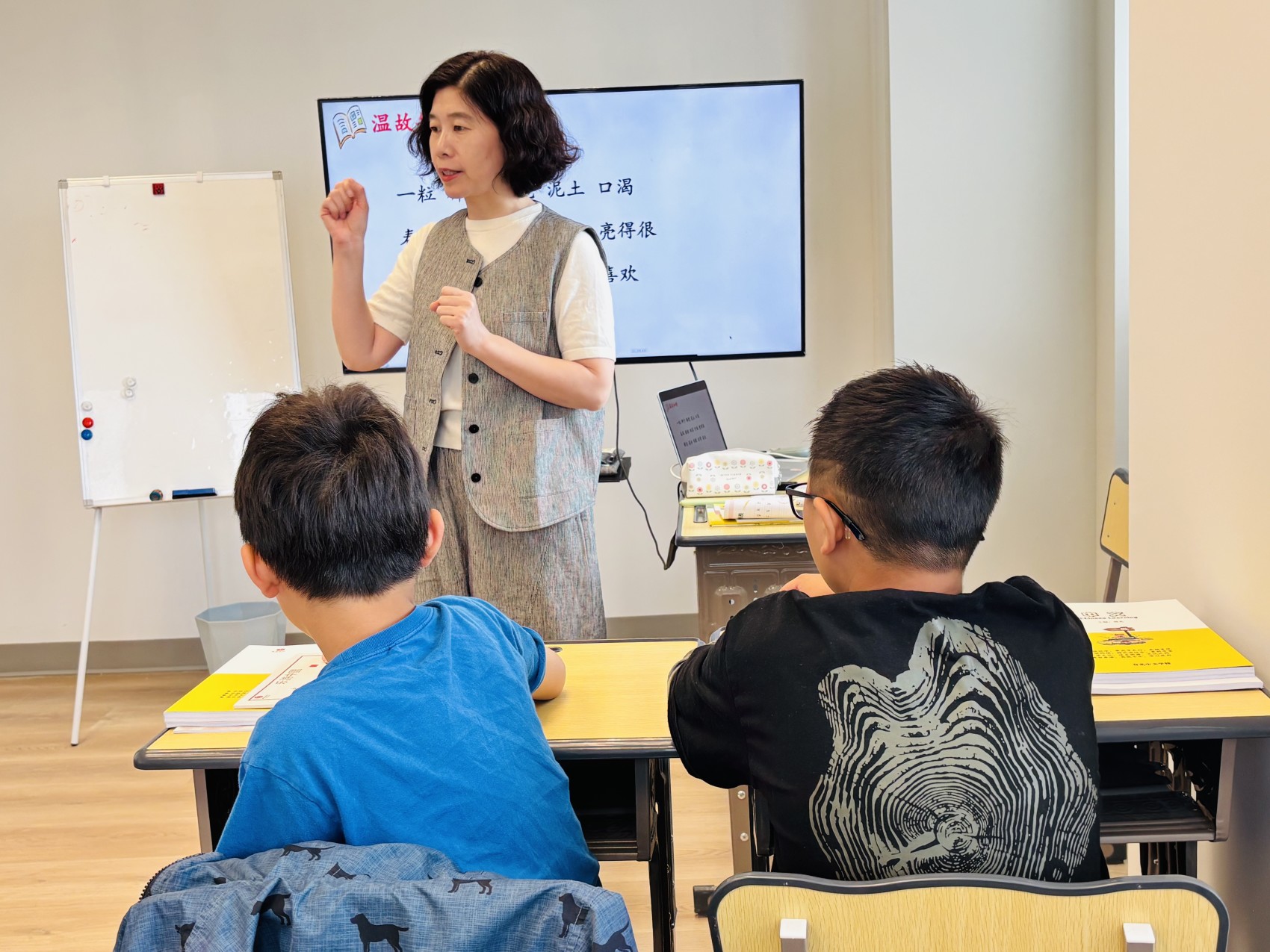
10. Look for a Reading Environment, Not Just a Classroom
If the long-term goal is for children to read Chinese independently, books need to become more than classroom materials.
Parents can look for whether a school encourages children to encounter Chinese through picture books, stories, levelled readers, and independent reading.
Eventually, a child needs to move from:
“My teacher teaches me Chinese.”
to:
“I can use Chinese to discover a story or information by myself.”
That transition is one of the most important milestones in long-term language development.
11. Don't Judge a School Only by How Many Activities It Offers
Performances, festivals, competitions, camps, field trips, and cultural events can all enrich a child's experience.
But parents should distinguish between:
having many activities
and
using activities meaningfully as part of education.
Activities are most valuable when they help children use language, develop confidence, understand culture, collaborate with others, or communicate in authentic situations.
At YouGuang, we want Chinese to move beyond textbooks through reading, drama, expression, performance, and other meaningful experiences.
Activities should serve education—not replace it.
12. Finally, Ask Whether You Can Imagine Your Child Staying for Years
Chinese learning is a long-term process.
Rapid progress during one semester matters less if a child stops learning shortly afterward.
A stronger question is:
Can a child begin at age four, continue at five, enter Level 1 at six, and then progress through increasingly sophisticated reading, writing, and expression?
When choosing a school, ask yourself:
Can I imagine my child learning here for three years? Five years? Longer?
If the answer is yes, you may have found more than a class.
You may have found a learning system capable of growing with your child.
What Should Parents Observe During a Trial Chinese Class?
If a school offers a trial class, look beyond the classroom furniture and decorations.
Observe the learning itself.
Does the teacher welcome your child personally?
How much does the teacher talk, and how much do the children participate?
Are the same two or three students answering every question?
What happens when a child makes a mistake?
Does the lesson have a clear rhythm?
Does your child actually use Chinese?
Can the teacher maintain structure without making children afraid to participate?
After class, instead of asking only:
“Was it fun?”
try asking:
“What did you like most today?”
“What did you learn?”
“Was anything difficult?”
“Would you like to come again?”
A child's answers can tell parents a great deal.
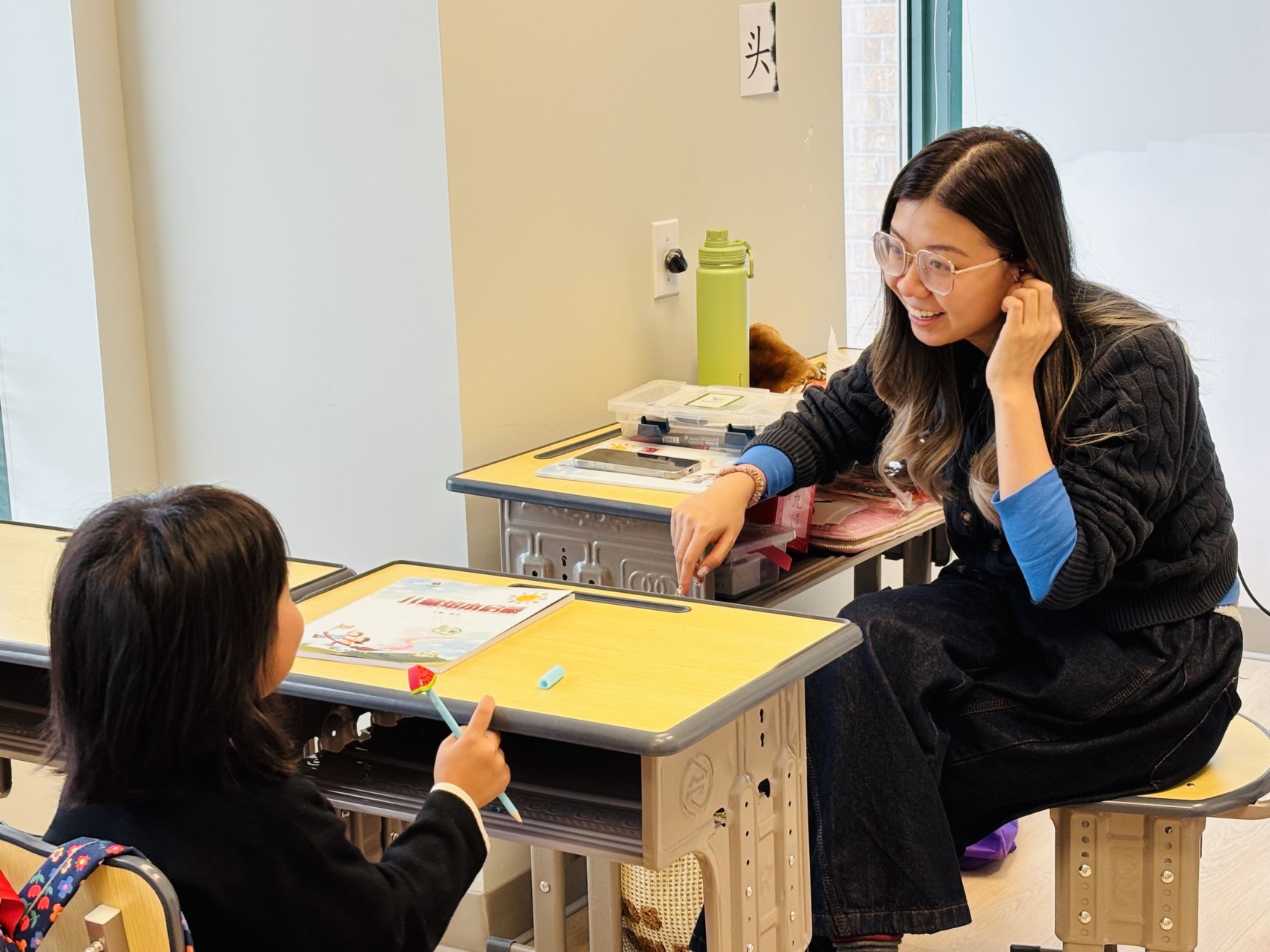
Choosing a Chinese School in Oakville: Four Questions That Matter
Ultimately, many factors can be compared—tuition, location, facilities, textbooks, activities, and class schedules.
But we believe four questions matter most:
Does my child want to learn?
Is my child genuinely learning?
Can this curriculum support years of growth?
Will the teachers take my child seriously as an individual?
YouGuang Chinese School – Oakville Campus serves children ages 4–16 with a maximum of 8 students per class. Programs include Early Years Chinese for ages 4–6, a complete Level 1–8 learning pathway, and Chinese classes for non-Mandarin-speaking families, supported by YouGuang's independently developed overseas Chinese curriculum.
Our hope is that years later, children will not simply be able to say:
“I took Chinese classes.”
but instead:
“I can speak Chinese. I can read Chinese. I can express myself in Chinese.”
That is the kind of long-term Chinese education we believe is worth building.
Click to learn more about YouGuang Chinese School – Oakville Campus.